What is net metering?
A simple explanation
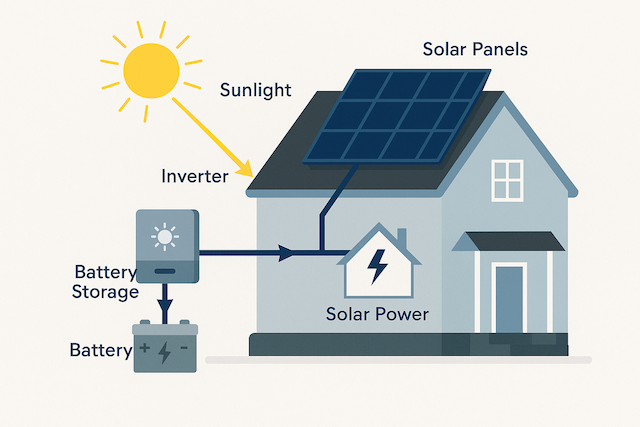
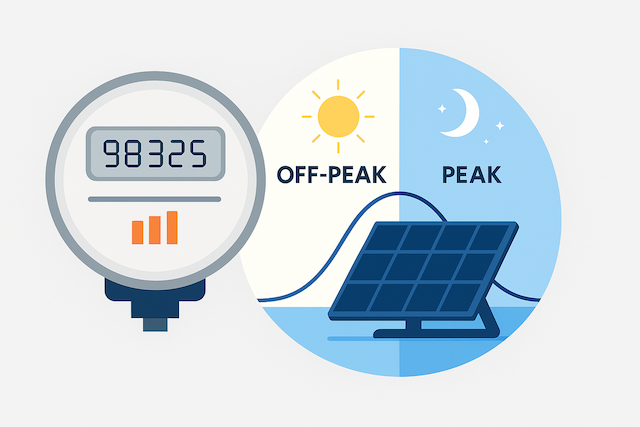
Net metering is a billing arrangement that gives you credit for the extra solar power your system sends to the grid. When your panels produce more than you use, that energy isn’t wasted — it’s tracked by your utility and applied to your bill.

How it works in Connecticut and New Jersey
Connecticut: The state now uses the Residential Renewable Energy Solutions (RRES) program. With the Netting Tariff, you use your solar first and bank credits for excess. With the Buy-All Tariff, you sell all your solar to the grid at set rates.
New Jersey: Traditional net metering is still in place. Excess energy is credited at the retail rate and rolls over month to month.

Why it matters
Net metering (or netting) is one of the biggest reasons solar is so valuable. It ensures you’re compensated fairly for every kilowatt-hour your system generates. This means when your panels overproduce during the day, you can pull from those credits at night or during cloudy periods — keeping your energy costs low year-round.

Common questions
- Do credits expire? – In NJ, unused credits roll over. In CT, it depends on which tariff you choose.
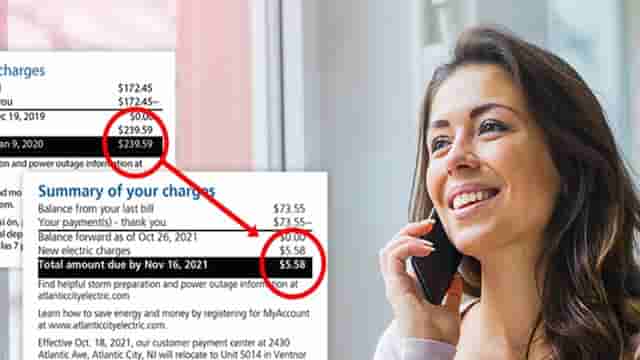
- Does it replace my utility bill? – You’ll still get a bill, but solar dramatically reduces it.
- Can credits cover 100% of my usage? – In many cases, yes, if your system is sized right.

Learn more
See how net metering impacts real costs: How much does Trinity Solar cost?.
For statewide policies, check out Going solar in Connecticut or Going solar in New Jersey.